

Key points
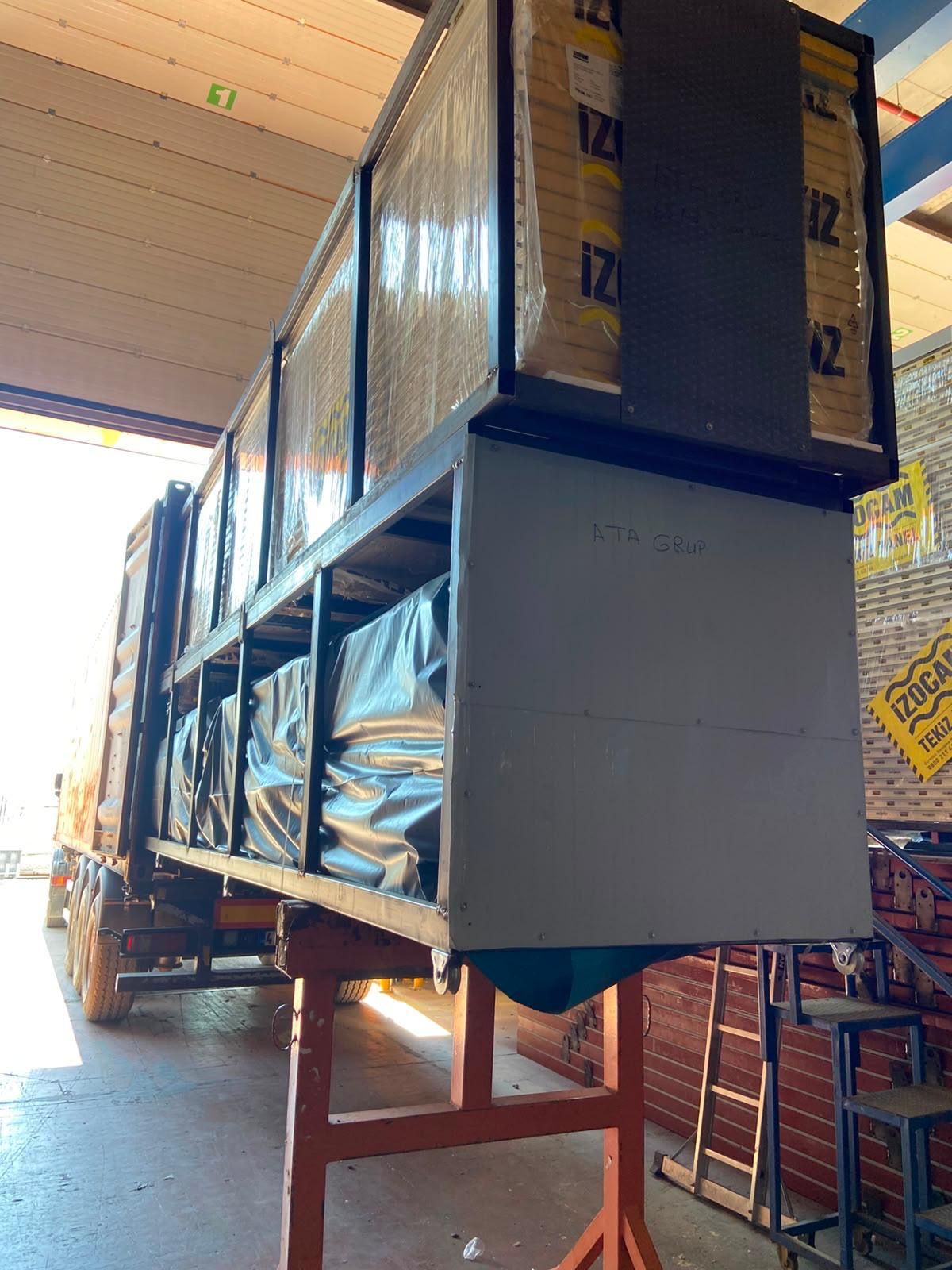
- There are two families: modules on a container frame, delivered assembled or folded, and prefabricated kits shipped flat.
- The specification must allow for heat, heavy rain, corrosion and the local electrical supply.
- Under the official tariff, prefabricated buildings (heading 94.06) are in the 20% customs duty band, with 18% VAT.
- The platform, foundations, utilities and access for trucks and crane are prepared before the modules arrive.
How do you import and install a modular camp in Guinea?
First choose the product family (modules on a container frame or flat-packed prefabricated kits), write a specification suited to the Guinean climate and electrical supply, then have a packing list drawn up that follows the assembly sequence. On import, prefabricated buildings are declared under heading 94.06 of the ECOWAS Common External Tariff (CET), which under the official tariff is in the 20% customs duty band, with 18% VAT. While the goods are in transit, prepare the platform, foundations and utilities, and arrange for the supplier to supervise assembly.
Container modules or prefabricated kits?
- Modules on a container frame, delivered assembled: partitions, electrics and plumbing are fitted in the factory. Site assembly is fast, but each module takes a full slot on the vessel and a truck for delivery.
- Folding or knocked-down modules (flat pack): the frame and panels travel flat, several modules per container. Transport costs less; assembly needs more labour on site.
- Prefabricated kits: steel frame and insulated sandwich panels, for larger buildings (canteen, meeting room, light warehouse). Everything travels in containers, but assembly is a small construction job.
- The right choice depends on the number of buildings, the period of use, future moves of the camp and the labour available locally.
The specification: designing for the Guinean climate
- Use of each building: dormitories, offices, kitchen, canteen, washrooms, laundry, plant rooms. Wet rooms need suitable floors and finishes.
- Heat: roof and wall insulation, roof overhang, ventilation, provision for air conditioning.
- Rain: watertight roofs and joints between modules, drainage, sealed doors and windows.
- Corrosion: in coastal or humid areas, ask for enhanced anti-corrosion protection of the steel.
- Electrics: voltage, frequency and socket type matching the Guinean grid or the site generator, protection devices and earthing.
- Fire safety: fire rating of the panels, detectors, extinguishers, emergency exits.
- Scope of supply: furniture, sanitary ware, light fittings, air conditioners, assembly hardware, spare parts.
Ask for layout drawings and assembly instructions in French or English, and have a sample module approved before series production, ideally through a factory inspection.
Packing and shipping
- A packing list per package and per building, with a reference mark, weight and dimensions: on site, packages must be found in assembly order.
- Fragile items (glazing, sanitary ware, ceramics) are protected and grouped together.
- Hardware and small parts travel in labelled crates, not loose at the back of a container.
- Assembled modules travel as containers or as break bulk; kits travel in standard or high cube containers.
- Insure the goods for the whole chain, up to the site.
Customs clearance: classification and documents
Prefabricated buildings are classified under heading 94.06 of the CET, which distinguishes in particular wooden buildings and steel modular building units. Under the official tariff, these lines are in the 20% customs duty band and bear 18% VAT, on top of the levies set by the tariff. Furniture, air conditioners or equipment delivered with the buildings may be classified separately depending on the case: an invoice that details each category of goods makes the declaration easier.
- Detailed commercial invoice, packing list, bill of lading (B/L), certificate of origin, drawings and technical description.
- If your project benefits from a special regime (agreement, exemption), the document granting it must be ready before arrival.
- A module on a container frame is declared according to what it actually is: confirm the classification with your customs broker before shipment.
Preparing the site and assembling the buildings
- Platform: clearing, levelling and drainage so that rainwater does not pool under the modules.
- Foundations: pads, ground beams or slab according to the supplier's drawings and the soil.
- Utilities: water, sewerage, electricity and, where needed, data network brought to the planned points.
- Access: a track usable by trucks and the crane, and a sheltered area to store packages.
- Assembly: by a local crew supervised by the supplier's supervisor, following the packing list sequence.
- Handover: joint inspection, report with any snags, snag clearance.
The schedule is built backwards from the occupancy date: assembly, delivery to site, customs clearance, sea freight, factory production, drawing approval. Platform and foundation works progress during manufacturing and transport, so that the modules are placed as soon as they arrive and are not left in storage at the port or on site.
Keep a set of spare parts on site (seals, panels, hardware, locks, roofing elements): a part broken during assembly should not wait for a new shipment.
What we do for you
TransXpress consults manufacturers on the basis of your specification, buys the buildings, arranges pickup and shipping, clears them in Conakry and delivers them to your site in coordination with your assembly team. Send us the number and use of the buildings, the site location and the target occupancy date.
Frequently asked questions
Are assembled modules or flat-pack kits better?
Assembled modules install faster but cost more to transport; flat-pack kits travel several to a container but need more labour on site. The choice depends on the number of buildings and the labour available.
What is the customs duty on a prefabricated building in Guinea?
Under the official tariff (ECOWAS CET), prefabricated buildings under heading 94.06 are in the 20% customs duty band, with 18% VAT and the levies set by the tariff. The exact amount is the customs assessment.
Is furniture delivered with the buildings declared separately?
Depending on the case, furniture and equipment may be classified separately. An invoice detailed by category of goods makes the declaration easier.
General information guide written by TransXpress. Customs rules and procedures change: every file is checked against the documents and the regulations in force.
Planning a camp or site offices? Send us the number and use of the buildings, the site location and the target occupancy date. We call you back within 24 business hours.