

Key points
- A pre-shipment inspection checks, at the supplier's premises and before departure, that the goods match the order.
- It is best carried out at the end of production, before final packing and loading.
- The report, with photos and findings, is used to accept the goods, reject them or negotiate before paying the balance.
- An inspection requested by the buyer is usually paid by the buyer, unless the contract states otherwise.
Why have goods inspected before they leave?
Having goods inspected before shipment means appointing an independent inspector who visits the supplier, checks the order before loading and sends you a report. You know what will actually leave for Guinea before you pay the balance or authorise loading, instead of finding out at the port of Conakry.
Once the goods have left, your options shrink: the supplier is far away, a return costs freight both ways, and a claim is settled slowly. Before departure, the supplier can still correct, complete or replace.
- A first purchase from a supplier you do not know yet.
- A high-value order, or one largely paid in advance.
- Technical parts where the exact part number matters (machine parts, wear parts, electrical components).
- Goods bound for a remote site, where a mistake brings a project or a mine to a halt.
Is it compulsory for imports into Guinea?
In most cases, the inspection described in this guide is a voluntary step taken by the buyer to protect the purchase. It does not replace any customs formality: the goods are declared and checked on arrival in Guinea under the regulations in force.
Some countries have set up, for certain goods, inspection or conformity certification programmes required before loading. Rules can change: before ordering, check with your customs broker whether your goods are subject to such a requirement at the time of import.
Do not confuse a commercial inspection requested by the buyer with a check required by an authority: the first protects your purchase, the second governs whether the goods may enter. Your customs broker can tell you which applies.
What does the inspector check?
The inspector works from your purchase order, the proforma invoice and your technical specifications. The more precise these documents, the more useful the check.
- Quantity: number of items, packages and pallets, compared with the order and the packing list.
- Conformity: part numbers, brands, dimensions, colours, materials, and serial numbers where they exist.
- Quality: appearance, visible defects and, where relevant, simple functional tests agreed in advance.
- Marking and labelling: package marks, rating plates, wording requested by the buyer.
- Packing: strength for a long sea or air journey, protection against moisture and impact.
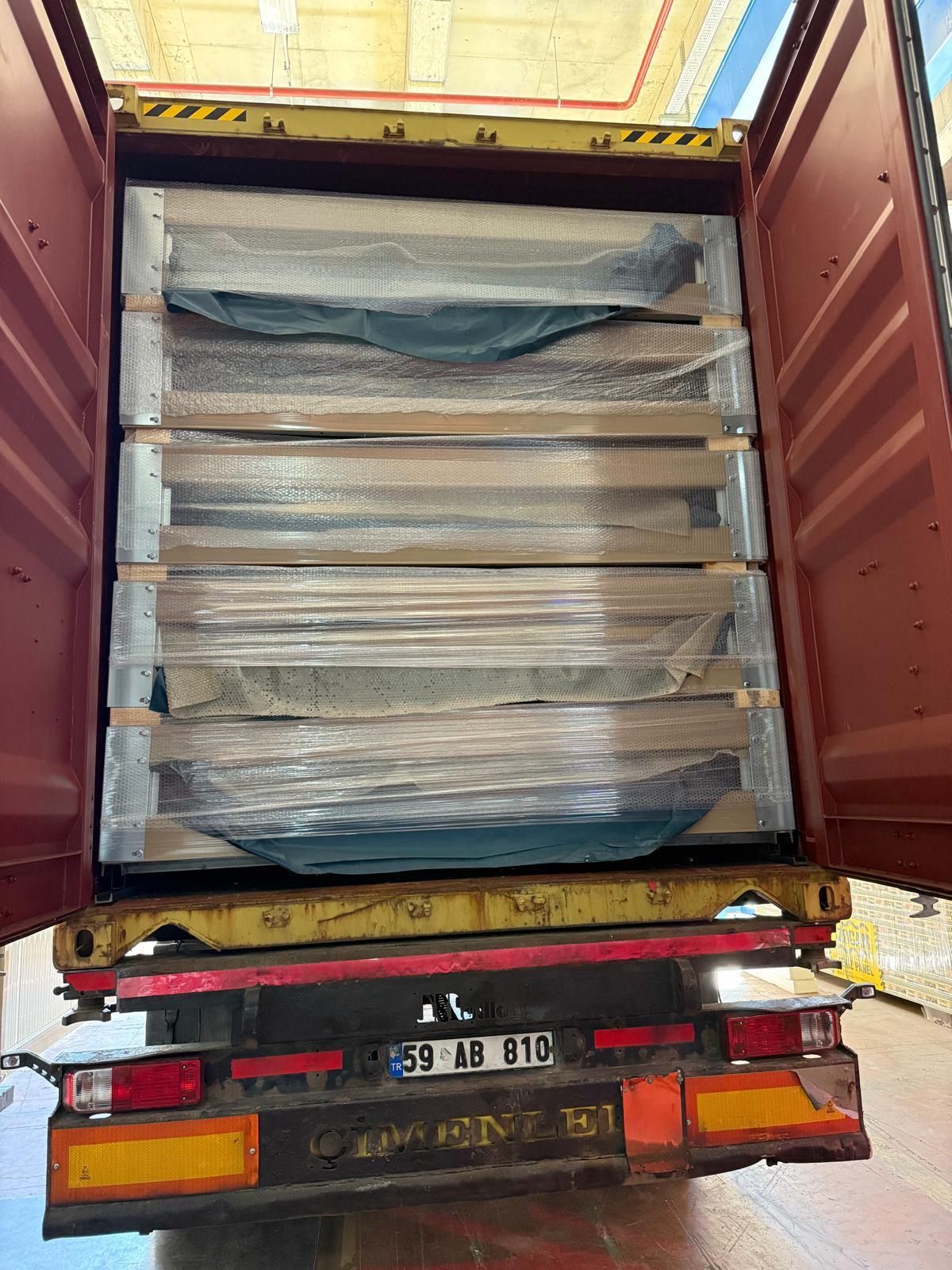
- Loading, if you ask for it: supervision of container stuffing, blocking, lashing and sealing, with the seal number recorded.
For mass-produced goods, the inspector usually checks a random sample using a method agreed in advance, rather than every item. State that method and the acceptance level in your request.
When should you request the inspection?
- During production, for a large or custom-made order: defects are found early.
- At the end of production, when the order is finished and mostly packed: this is the most common point.
- At loading, to check what actually goes into the container or onto the truck.
Set the date with the supplier when you place the order, and write into the contract that shipment and payment of the balance depend on a satisfactory report. The supplier must give access to its site and to the goods.
The inspection report and what to do next
The report describes what was checked and the discrepancies found, with photos, and gives a conclusion: compliant, non-compliant or compliant with reservations. It is sent to whoever ordered the inspection.
- Compliant report: you authorise shipment and payment under the contract.
- Minor discrepancies: you negotiate a correction, a top-up or an adjustment before departure.
- Serious non-compliance: you stop the shipment and ask for replacement, with a new inspection if needed.
Keep the report in your import file. In a dispute with the supplier, or if the goods are damaged in transit, it shows their condition at departure.
Who pays for the inspection?
Whoever orders the inspection pays for it, usually the buyer. You can negotiate in the contract that a re-inspection made necessary by a non-compliance is charged to the supplier. The cost depends on the location, the length of the check and the number of inspectors: ask for a quote before confirming.
For an inspection required by an authority, payment rules are set by the programme concerned: ask your customs broker before buying.
What we do for you
TransXpress consults suppliers, buys on your behalf, organises pickup through its partner agents and can have the goods checked before departure, then clears them in Conakry and delivers them to your site. Send us your purchase order, the supplier's details and the pickup location.
Frequently asked questions
Is pre-shipment inspection compulsory in Guinea?
The commercial inspection described here is voluntary. Some goods may be subject to an inspection or certification requirement before loading: check with your customs broker whether yours are concerned.
Does the inspection replace the customs check in Conakry?
No. The goods are declared and may be inspected on arrival, whatever the result of the inspection at origin.
What if the report is not compliant?
Stop the shipment, ask the supplier to correct or replace the goods, and have them checked again before departure if the discrepancy is significant.
General information guide written by TransXpress. Customs rules and procedures change: every file is checked against the documents and the regulations in force.
An order to inspect before it ships? Send us the purchase order, the supplier's details and the pickup location. We call you back within 24 business hours.