

Key points
- Groupage (LCL) suits small volumes; beyond a certain volume, a full container (FCL) is often cheaper and simpler.
- In groupage, the goods are handled several times and depend on the other lots in the same container.
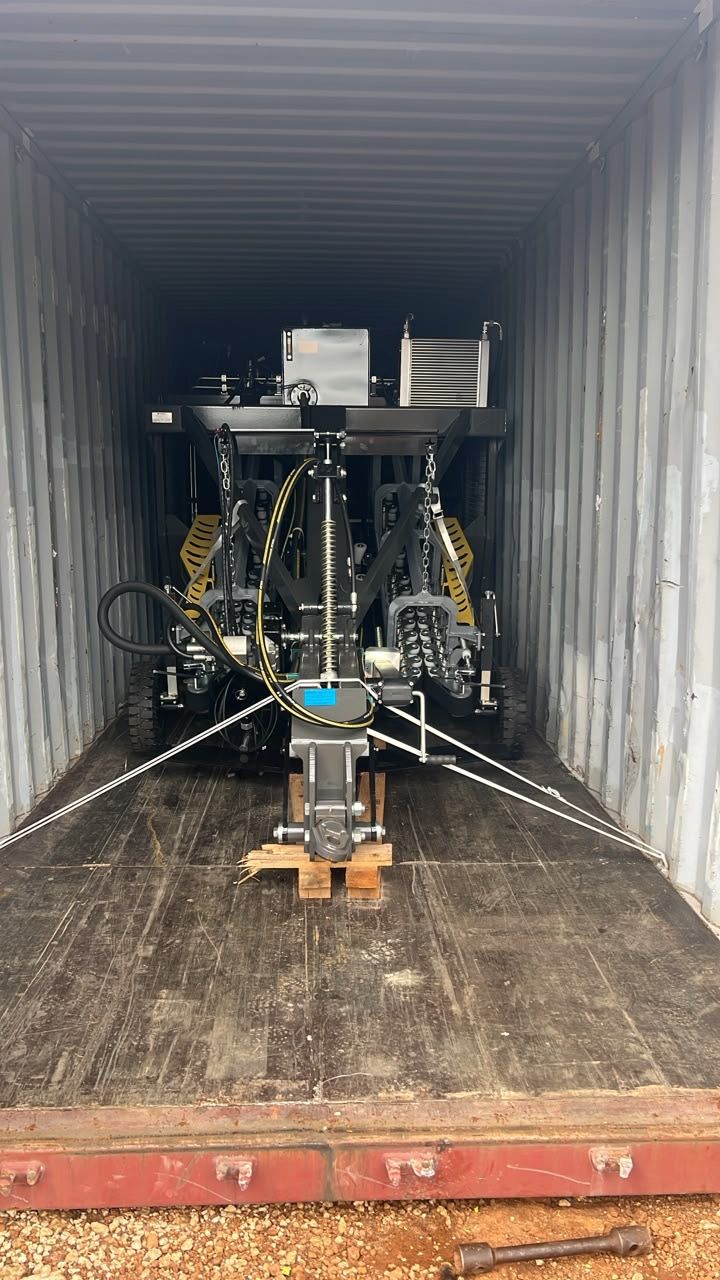
- With a full container, you control loading and the seal, and the container can be delivered straight to site.
- In groupage, the transport document is usually a consolidator's bill of lading, separate from the shipping line's bill of lading.
FCL or LCL: the short answer
Choose groupage (LCL, less than container load) when your goods fill a small part of a container, and a full container (FCL, full container load) as soon as the volume gets close to it, when the goods are fragile or valuable, or when they must be delivered straight to a site. Beyond a certain volume, a full container often costs as much as or less than groupage, with less handling.
The exact threshold depends on the route, the season and current rates: ask for both quotes for the same shipment and compare the landed cost.
How does groupage work?
- Your supplier delivers the goods to the consolidator's warehouse in the country of departure.
- The consolidator loads them into a container with other shippers' lots (this is called consolidation).
- The container travels under the shipping line's bill of lading issued to the consolidator; each shipper receives a consolidator's bill of lading (house B/L).
- In Conakry, the container is unstuffed (emptied) in a warehouse and each lot is separated (deconsolidation).
- Each consignee clears and collects its own lot.
Groupage lets you ship small quantities without paying for a whole container, and combine purchases from several suppliers in the same region into one shipment.
Risks specific to groupage
- More handling: loading and unloading in warehouses at origin and on arrival, so more risk of breakage, loss or mixed-up packages.
- Dependence on other lots: the container leaves when it is full enough, and on arrival a problem with another consignee's goods can delay unstuffing of the whole container.
- Incompatible goods: your lot travels next to products you do not know (odours, moisture, weight).
- Arrival charges: on top of freight, unstuffing, warehouse and document release charges apply; ask for them in advance to avoid surprises.
In groupage, pack solidly, mark every package (consignee name, package number, weight) and make the packing list match exactly: that is how your goods are found at deconsolidation.
The advantages of a full container
- You control loading: blocking, lashing and sealing at your supplier's or your agent's premises.
- Less handling: the container stays closed from departure until it is opened for inspection or delivery.
- Direct delivery: the container can leave the port by truck to your warehouse or site, where it is emptied.
- One file: one bill of lading, one container, one declaration.
The trade-off: you pay for the whole container even if it is not full, and you are responsible for returning it empty to the shipping line. Beyond the free period (free time), the line charges demurrage in the port and then detention if the empty return is late.
The documents in each case
- Full container: bill of lading (B/L) from the shipping line or a forwarder, with the container and seal numbers.
- Groupage: consolidator's bill of lading (house B/L) in your name, the container travelling under the master B/L in the consolidator's name; on arrival, the delivery order is issued by the consolidator's agent.
- In both cases: commercial invoice, detailed packing list, certificate of origin, and any certificates specific to the goods.
Check that the weight, number of packages and description are identical on the invoice, the packing list and the bill of lading. In groupage, an error on your lot can also raise questions on the container manifest.
When to combine the two
If you buy from several suppliers in the same country, consolidating at your own agent's warehouse often fills a full container in your name: you keep the advantages of FCL with small purchases. For very heavy but compact goods, it is the maximum permitted weight, not the volume, that limits the load.
Conversely, part of an urgent order can leave in groupage so as not to wait for the full container to be filled, with the rest following in a full container. Discuss it with your forwarder when you place the order.
What we do for you
TransXpress organises pickup from your suppliers through its partner agents, consolidates your purchases, ships by full container or groupage, clears in Conakry and delivers to your site. Send us your suppliers' packing lists (weight, volume), their addresses and the date you want the goods to arrive.
Frequently asked questions
From what volume is a full container worthwhile?
It depends on the route and current rates. Ask for a groupage quote and a full container quote for the same shipment, and compare the landed cost.
Can a groupage container be delivered straight to site?
Generally not: the groupage container is emptied in Conakry and each consignee collects its lot. Only a full container can travel closed to your site.
What is a house B/L?
It is the bill of lading issued by the consolidator to each shipper. The container itself travels under the shipping line's master bill of lading, in the consolidator's name.
General information guide written by TransXpress. Customs rules and procedures change: every file is checked against the documents and the regulations in force.
Several suppliers, one shipment? Send us the packing lists, the suppliers' addresses and the date you want the goods to arrive. We call you back within 24 business hours.