

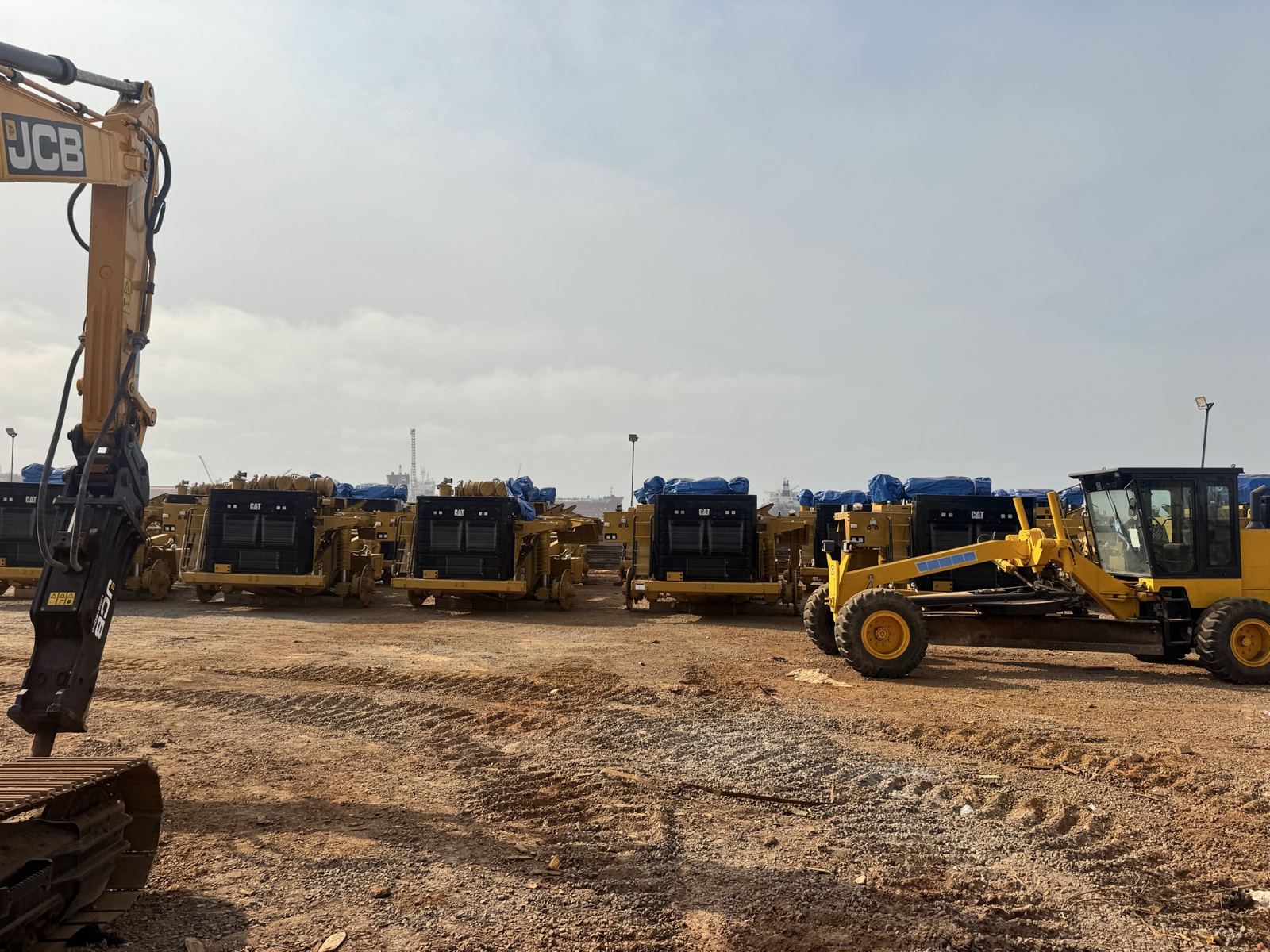
Key points
- Renting with an operator suits sites without a qualified driver or short missions; without an operator you keep control, but also responsibility for how the machine is driven.
- The contract must state clearly who pays for fuel, routine maintenance, repairs, insurance, mobilisation and demobilisation.
- The minimum term, how hours or days are counted and downtime periods are the points that cause most disputes.
- A joint condition report on delivery and on return protects both parties.
With or without an operator: how to choose?
Rent with an operator if you have no qualified driver available for this machine, if the mission is short or technical, or if you want the rental company to take responsibility for operating it. Rent without an operator (a so-called « dry » hire) if you have trained crews, the machine joins a fleet you already manage, and you accept responsibility for its daily use.
Renting with an operator generally costs more, but it transfers part of the risk: the operator knows the machine, reports faults and follows the manufacturer's instructions. Without an operator, you are responsible for how the machine is used, and poor driving can lead to repairs at your expense.
- With an operator: suited to one-off missions, specialised machines (lifting, drilling, precision compaction) and sites without available drivers.
- Without an operator: suited to long rentals, common machines your crews can drive, and sites with technical supervision.
For lifting equipment, check who provides the certified operator and the rigger, and who draws up the lifting plan. These roles must be written into the contract.
Short or long term: what changes
Short-term rental meets a one-off need: an earthworks peak, replacing a broken-down machine, a handling operation. It is more flexible but more expensive per unit of time, and mobilisation weighs heavily in the total cost when the site is remote.
Long-term rental meets a steady need over the life of a project. The rate is usually more favourable, but the rental company asks for a minimum commitment and sets conditions for early termination. Over a long period, organising maintenance and replacing the machine in case of breakdown become the main issues.
- Short term: check the minimum period invoiced and how quickly the machine is made available.
- Long term: check the minimum commitment, early exit penalties and the option to extend.
- In both cases: check whether the price is per day, per week, per month or per operating hour read on the hour meter.
What is included in the rental price?
This is the first question to ask, item by item. Two offers at the same price can hide very different scopes.
- Fuel: rarely included in a dry hire; to be specified when renting with an operator.
- Routine maintenance (oil changes, filters, greasing): often paid by the rental company, but carried out on site at intervals that must be organised with you.
- Wear parts (bucket teeth, blades, tracks, tyres): a frequent point of disagreement; the contract must say who pays for normal wear and who pays for abnormal wear.
- Repairs: distinguish a breakdown caused by the machine, paid by the rental company, from damage caused by use, often paid by the hirer.
- Operator: wages, accommodation, meals, transport and overtime.
- Insurance: cover for the machine, third-party liability and the excess left for you to pay.
Mobilisation and demobilisation
Mobilisation is bringing the machine to your site; demobilisation is returning it to the rental company's depot or sending it to another site. A heavy machine needs a lowbed, sometimes an escort and an abnormal load permit, as well as loading equipment at departure and arrival.
These costs are often invoiced separately, and they matter a great deal when the site is far from Conakry. Ask whether they are a lump sum or at actual cost, and whether demobilisation is due even in case of early termination. Also check who is responsible for the machine during transport and when the rental period starts: on leaving the depot, on arrival on site or at commissioning.
Key contract points
- Identification of the machine: make, model, year, serial number, hour meter reading on delivery.
- Joint condition report on delivery and on return, with dated photos signed by both parties.
- Counting method: calendar days, working days or operating hours, and how rain days or site stoppages are treated.
- Downtime for breakdown: from when the rental is suspended, and how quickly the rental company replaces or repairs.
- Allocation of liability in case of accident, theft or damage, and the amount of the insurance excess.
- Payment terms, any security deposit and invoicing arrangements.
- Exit conditions: notice, penalties, demobilisation.
For a machine imported specifically for your project, the customs regime chosen (final import or temporary admission) affects the duration and conditions of the rental. Have it specified before signing and confirm the insurance terms with your insurer.
Common mistakes
- Comparing offers on unit price alone, without adding mobilisation, fuel, operator and wear parts.
- Accepting a machine without a written condition report, then being charged for earlier damage.
- Forgetting to read the hour meter on arrival and departure.
- Not planning site access for the rental company's maintenance visits.
Also keep a simple daily log, signed by your site manager and by the operator or the rental company's representative: operating hours, stoppages, reported faults, fuel used. This document is the basis for invoicing and avoids disputes at the end of the month.
What we do for you
TransXpress supplies and rents machinery through partners, with or without an operator, and organises its transport by lowbed to your site in Guinea. We present offers you can compare item by item, with a single point of contact. Send us the machine type, the planned duration, the site location and whether you need an operator.
Frequently asked questions
Is fuel included in a machinery rental?
Rarely in a dry hire. When renting with an operator, it depends on the contract: have it stated in writing.
Who pays for repairs on a rented machine?
Generally the rental company covers breakdowns caused by the machine and the hirer covers damage caused by use or an accident. The contract must say so clearly.
When does the rental period start?
Depending on the contract, on leaving the depot, on arrival on site or at commissioning. It should be agreed before mobilisation.
General information guide written by TransXpress. Customs rules and procedures change: every file is checked against the documents and the regulations in force.
A machine to rent? Send us the machine type, the duration, the site location and whether you need an operator. We call you back within 24 business hours.