

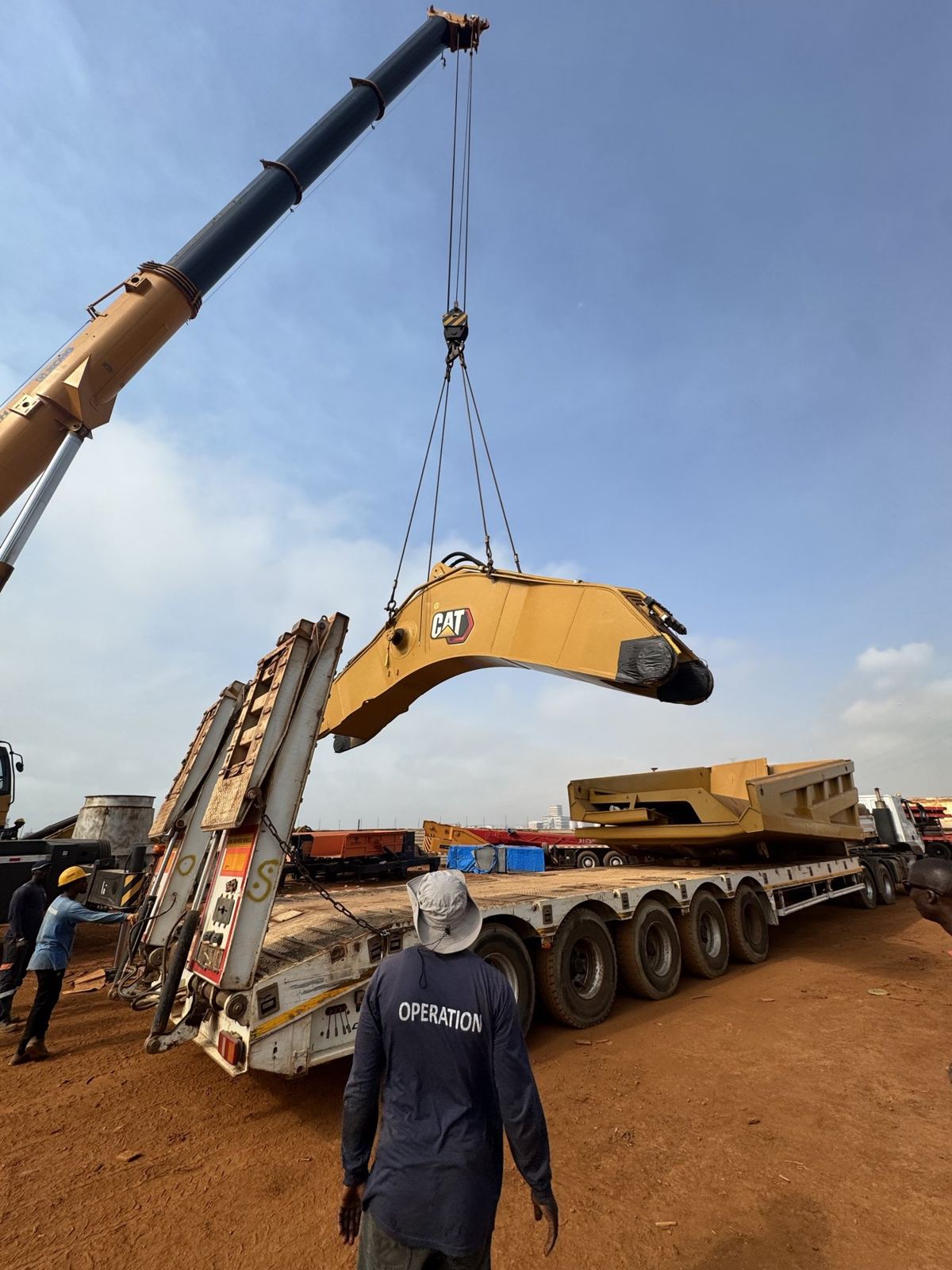
Key points
- The carrier's liability is limited: without insurance, loss or damage largely falls on the importer.
- The Incoterm in the contract says who takes out the insurance: under CIF the seller owes only minimum cover; under FOB or EXW the buyer must insure.
- Insurance is part of the CIF value on which duties and taxes are calculated.
- A claim is prepared at delivery: written reserves, photos, a surveyor's report and keeping the evidence.
Do you really need to insure your goods?
Yes, in most cases it is prudent to insure goods imported into Guinea, because the liability of the sea, air or road carrier is limited by conventions and transport contracts: in case of loss or damage, its compensation is capped and often far below the real value of the goods. Cargo insurance covers the goods themselves, from pickup at the supplier to delivery, depending on the scope chosen.
There is also a less known risk: general average. If the vessel has an incident and the shipowner sacrifices part of the cargo or incurs costs to save the voyage, all cargo owners on board contribute to the costs, even if their own goods are intact. Without insurance, the importer may have to post a guarantee before getting the goods released.
This article describes general principles. It is neither legal nor financial advice: confirm the exact terms with your insurer or insurance broker.
Who insures? It depends on the Incoterm
The Incoterm in the purchase contract sets the point where risk passes from seller to buyer, and says who must take out insurance.
- EXW, FCA, FOB, CFR: the seller does not owe insurance. You, the buyer, must insure the goods, ideally from the point where risk passes to you.
- CIF: the seller must insure, but only with minimum cover (restricted cover). You can ask for an extension or top up with your own policy.
- CIP: the seller must insure with extended, all-risks type cover, unless agreed otherwise.
- DAP, DPU, DDP: the seller bears the risk up to the agreed place of delivery; insurance on the way is its business, but check who covers unloading and the final leg.
Important point: under CFR or CIF, risk passes to you once the goods are loaded on board at the port of origin, while the seller pays the freight to Conakry. Damage at sea is therefore yours, hence the value of checking who is insured and for what.
All risks or restricted cover: what is the difference?
Cargo policies often rely on standard clauses used on the international market, which offer several levels of cover.
- All risks cover (often called A clauses): covers accidental loss or damage whatever the cause, except the exclusions listed in the policy.
- Restricted cover (B or C clauses, or similar): covers only named major events, such as sinking, stranding, fire, collision or a package dropped during loading, depending on the level chosen.
- Common extensions: war and strikes, theft, extended storage in a warehouse, inland transport to the site.
Exclusions matter as much as cover: insufficient packing, inherent vice, delay, normal wear and tear or poor packaging are generally excluded. A machine badly lashed by the supplier, or moisture-sensitive goods poorly protected, may therefore not be compensated.
What value should you insure?
The insured value usually starts from the commercial invoice value, plus freight and, by market practice, a margin to cover costs incurred and expected profit. Insuring below real value exposes you to compensation reduced in proportion (average clause).
On the customs side, insurance is part of the CIF value (cost, insurance, freight) used as the basis for duties and taxes in Conakry. If no insurance was taken out or its amount is not supported, the authorities may apply an insurance amount according to the regulations in force. Keep the insurance certificate or policy with the other documents of the file.
- Ask for an insurance certificate in the name of the right consignee, showing the description, value and route covered.
- For regular imports, an open (floating) policy avoids negotiating each shipment.
- Check whether a local insurance requirement applies to your operation before choosing a policy taken out abroad.
In case of damage: reserves and claims
Compensation largely depends on what is done at delivery. The time limits to notify damage to the carrier are short and set by the transport contract or the applicable convention.
- Inspect the goods and packaging on receipt, at the port, the airport or on site.
- Write precise, reasoned reserves on the delivery note or consignment note (for example "crate dented on left side, two packages missing"), not a vague remark.
- Take dated photos of the container, the seals, the packaging and the damage.
- Confirm the reserves in writing to the carrier within the required time.
- Notify the insurer without delay and have the damage assessed by a surveyor appointed under the policy.
- Keep the damaged goods and packaging until the surveyor has visited.
- Assemble the file: policy or certificate, invoice, packing list, bill of lading (B/L), reserves, survey report, repair or replacement invoices.
A delivery accepted without reserves is presumed to be in good order: it then becomes much harder to claim against the carrier.
What we do for you
At the order stage, TransXpress checks which Incoterm applies and who must insure, makes sure the insurance certificate is in the customs file and alerts you to any gap. At delivery, we inspect with you, record the reserves and help you assemble the documents for your insurer. Send us your purchase order or the supplier's offer with the planned Incoterm.
Frequently asked questions
Is insurance compulsory to import into Guinea?
Insurance is strongly recommended. Any obligation depends on the regulations applicable to your operation: check with your insurer or customs broker before shipment.
Under CIF, am I properly covered?
Under CIF the seller owes only minimum cover. Ask for the policy or certificate, check the level of cover and top up if needed.
Doesn't the carrier pay for damage?
It may compensate if it is liable, but within limits set by conventions and contracts, often far below the value of the goods.
Does the cost of insurance increase customs duties?
Insurance is part of the CIF value, the basis for duties and taxes. Its amount therefore enters the calculation, like freight.
General information guide written by TransXpress. Customs rules and procedures change: every file is checked against the documents and the regulations in force.
An import to insure? Send us the supplier's offer, the planned Incoterm and the value of the goods. We call you back within 24 business hours.