

Key points
- The bill of lading must state transit to Mali from loading.
- Under customs transit, the rice does not pay Guinean import duties.
- 10,000 tonnes means several hundred truck trips: the port exit plan is decisive.
From the order: prepare the transit
- The bill of lading must state transit to Mali, with a clearly identified consignee and notify party.
- The invoice, packing list and certificate of origin carry exactly the same description, number of bags and weight.
- The phytosanitary certificate from the exporting country travels with the goods to destination.
- Send the documents to your forwarder before the vessel arrives so formalities start at discharge.
What 10,000 tonnes means
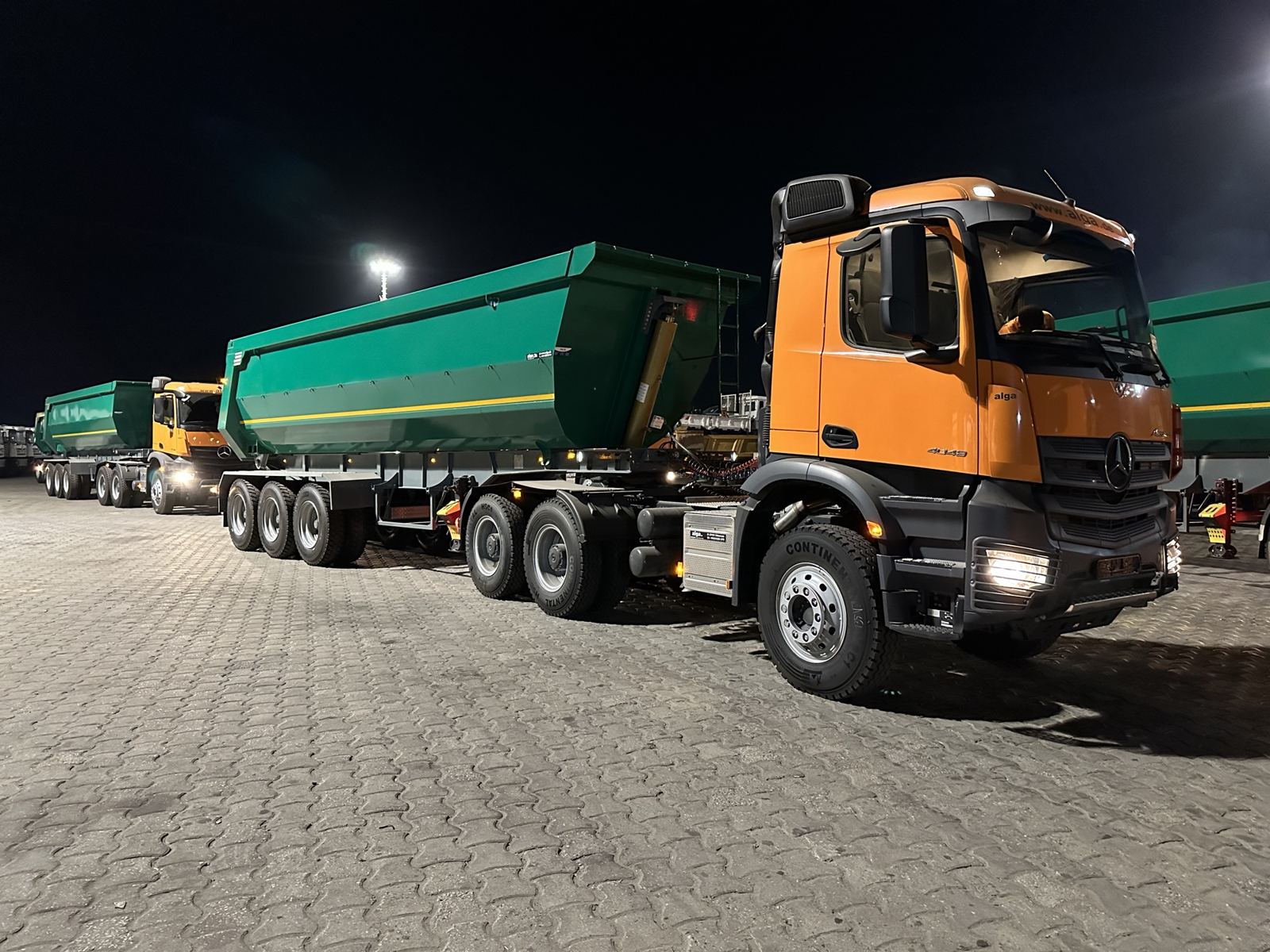
The volume is planned in truck rotations. Depending on the permitted load per truck and road conditions, 10,000 tonnes means several hundred trips between Conakry and Bamako. The pace at which cargo leaves the port therefore depends less on customs than on the fleet available and the storage capacity at departure.
Agree an exit plan with your forwarder: trucks per day, a buffer warehouse in Conakry, and priorities if the vessel discharges faster than trucks leave.
Formalities at the port of Conakry
- Customs transit declaration on SYDONIA: the goods do not pay Guinean import duties.
- Where applicable, formalities with the Malian Warehouses in Guinea (EMAGUI), located inside the Autonomous Port.
- Phytosanitary control and, depending on the channel, document check or physical inspection.
- Transit guarantee and road documents (transit document, consignment note), then customs escort or tracking according to the rules in force.
- Delivery order from the shipping line and exit from the terminal.
On the road to Bamako
The route runs through Mamou, Kankan and Siguiri or Kourémalé, with a border crossing where the transit documents are discharged on the Guinean side and taken over on the Malian side. Malian duties and taxes are paid under Malian regulations, at the destination office or at the border.
- Tarpaulins and lashing: the rainy season quickly damages a poorly protected load.
- Bag count at loading and at delivery, signed on the consignment note.
- Truck tracking and same-day reporting of incidents (breakdown, delay at the border post).
Where time and money are lost
- A bill of lading without the transit-to-Mali mention: correcting it takes time and may change the regime applied.
- Differences in weight or bag count between documents.
- A vessel discharged faster than trucks leave: storage and demurrage pile up.
- Incomplete road documents at the border.
What we do for you
TransXpress handles the transit in Conakry, organises the truck rotations and follows the cargo to Bamako, with one contact from discharge to delivery. Send us the volume, the packing and the expected arrival date for a quote.
Frequently asked questions
Does rice in transit to Mali pay Guinean customs duties?
No, goods in customs transit do not pay import duties in Guinea. Transit, port and road charges apply, and Malian duties are paid in Mali.
What is EMAGUI?
The Malian Warehouses in Guinea, located at the Autonomous Port of Conakry, which assist Malian shippers with their transit formalities.
How many trucks for 10,000 tonnes of rice?
Several hundred, depending on the permitted load per truck. The exact number is worked out with your forwarder based on the packing.
General information guide written by TransXpress. Customs rules and procedures change: every file is checked against the documents and the regulations in force.
Rice bound for Mali? Tell us the tonnage, packing, arrival date in Conakry and the destination in Mali. We call you back within 24 business hours.