

Key points
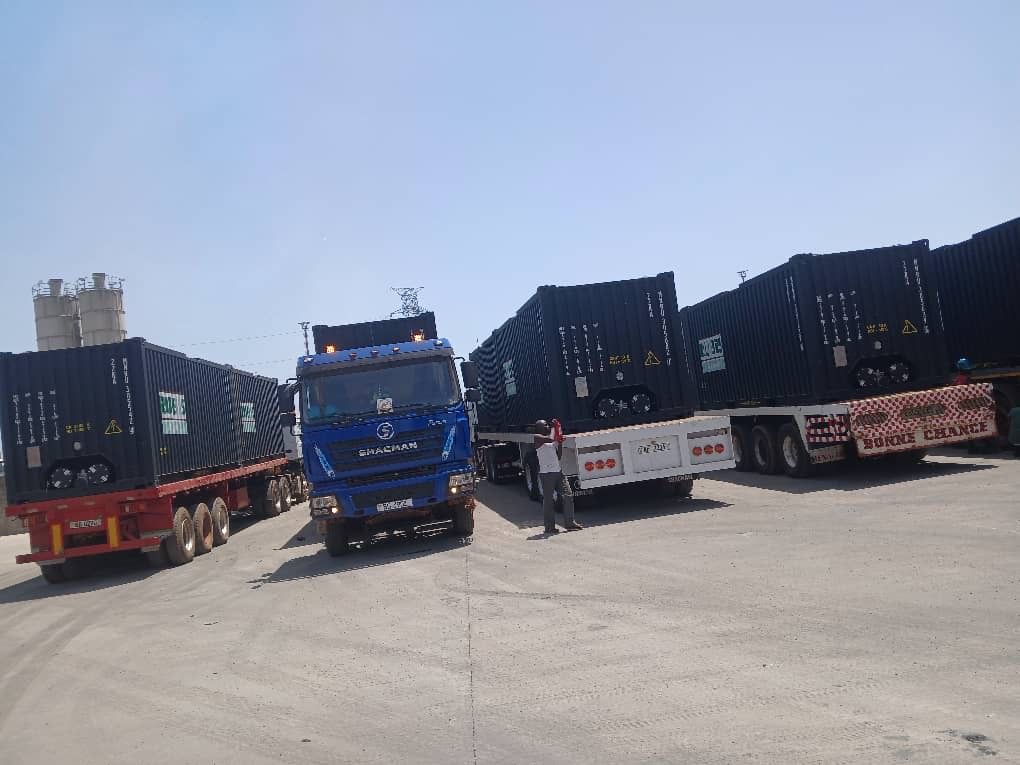
- Containers for the Boké and Kamsar area generally leave the port of Conakry by road, on container trailers or flatbeds depending on the load.
- Mining traffic, road conditions and the rainy season set the pace of rotations.
- Returning the empty container to Conakry is part of the transport: without a return plan, shipping line detention builds up.
- Every truck must travel with its port exit documents, the consignment note and the vehicle and driver papers.
How do you move a container from Conakry to Boké or Kamsar?
A container bound for Boké or Kamsar is generally cleared at the port of Conakry, loaded on a container trailer or flatbed, then taken by the national road to the site, where it is unloaded or unstuffed before the empty container returns to Conakry. Transport is prepared alongside customs clearance: truck booked, site access confirmed, empty return plan agreed.
For a regular flow, it is better to think in rotations: how many containers a week, how many trucks, and how the empties come back.
Which truck for which load?
- Container semi-trailer (skeletal chassis): the standard solution for a container within the authorised weight limits.
- Flatbed semi-trailer: useful for flat racks, open-top containers or packages taken out of the container.
- Lowbed or low loader: for a machine or a heavy out-of-gauge package, which then becomes an abnormal load.
- Lighter truck after unstuffing: when site access does not allow an articulated rig.
The actual weight of the container (goods and tare) must be known before loading. An overloaded truck risks being held at checkpoints and damages both the road and the vehicle.
The road and the rainy season
The Conakry-Boké road is very busy, notably with trucks linked to mining. Depending on the section and ongoing works, the road surface can be poor, with slow passages and queues. The last stretch to the sites, often on tracks, is the most sensitive.
- In the rainy season, access tracks become slippery or muddy and some passages can be cut temporarily.
- Tarpaulin and check the waterproofing of water-sensitive goods, especially on flatbeds.
- Allow a wider planning margin for deliveries in the rainy season, without committing to a precise day with the site.
- Prefer daytime driving on difficult sections and tracks.
Empty container return and detention
Once out of the port, the container remains the shipping line's property. Detention is the charge the line makes for as long as the empty container is not returned, beyond the free period agreed. For a remote site such as Boké or Kamsar, it is often the cost that gets out of hand.
- Negotiate suitable free time when booking the freight, stating that the site is far from the port.
- Organise fast unloading on site: lifting equipment available, team warned, access clear.
- Plan the empty return on the same truck, or group the empties for an organised return.
- If the site cannot unload quickly, consider unstuffing in Conakry and moving the goods loose or on flatbeds.
Keep a record of the port exit date and the empty return date: they are the basis of the detention invoice.
Organising a convoy of several containers
- Group trucks by departure to make tracking and breakdown assistance easier.
- Appoint a convoy leader and a contact on site for receipt.
- Check lashing and the condition of tyres and brakes before departure.
- Report truck positions and incidents every day.
- Check seals on arrival and have the consignment note signed, with any reservations.
Documents on board the truck
- The port exit document and a copy of the customs declaration or release order, depending on the regime.
- The consignment note, with the container number, seal number, weight and consignee.
- The vehicle papers (registration, insurance, roadworthiness certificate) and the driver's licence.
- For goods under a special regime (for example admitted duty-free under a mining convention), the documents customs requires up to the site.
Road checks take place along the route. A complete, legible file on board avoids most holds.
What we do for you
TransXpress clears your containers in Conakry, moves them to Boké, Kamsar and the sites in the area with suitable trucks, tracks the convoys and organises the empty returns. Send us the number and type of containers, the weight, the delivery site and the expected arrival date at the port.
Frequently asked questions
Who pays detention if the site unloads late?
The shipping line charges detention to the consignee, under the terms of the bill of lading. Hence the value of negotiating free time in advance and organising unloading on site.
Can a heavy container travel on the Boké road?
Yes, within the authorised loads and with a suitable truck. Beyond that, the move becomes an abnormal load requiring authorisation.
Does the rainy season stop deliveries?
Not in general, but it slows traffic, especially on site access tracks. Allow a planning margin and protect the goods from water.
General information guide written by TransXpress. Customs rules and procedures change: every file is checked against the documents and the regulations in force.
Containers for Boké or Kamsar? Send us the number and type of containers, the weight, the delivery site and the expected arrival date. We call you back within 24 business hours.